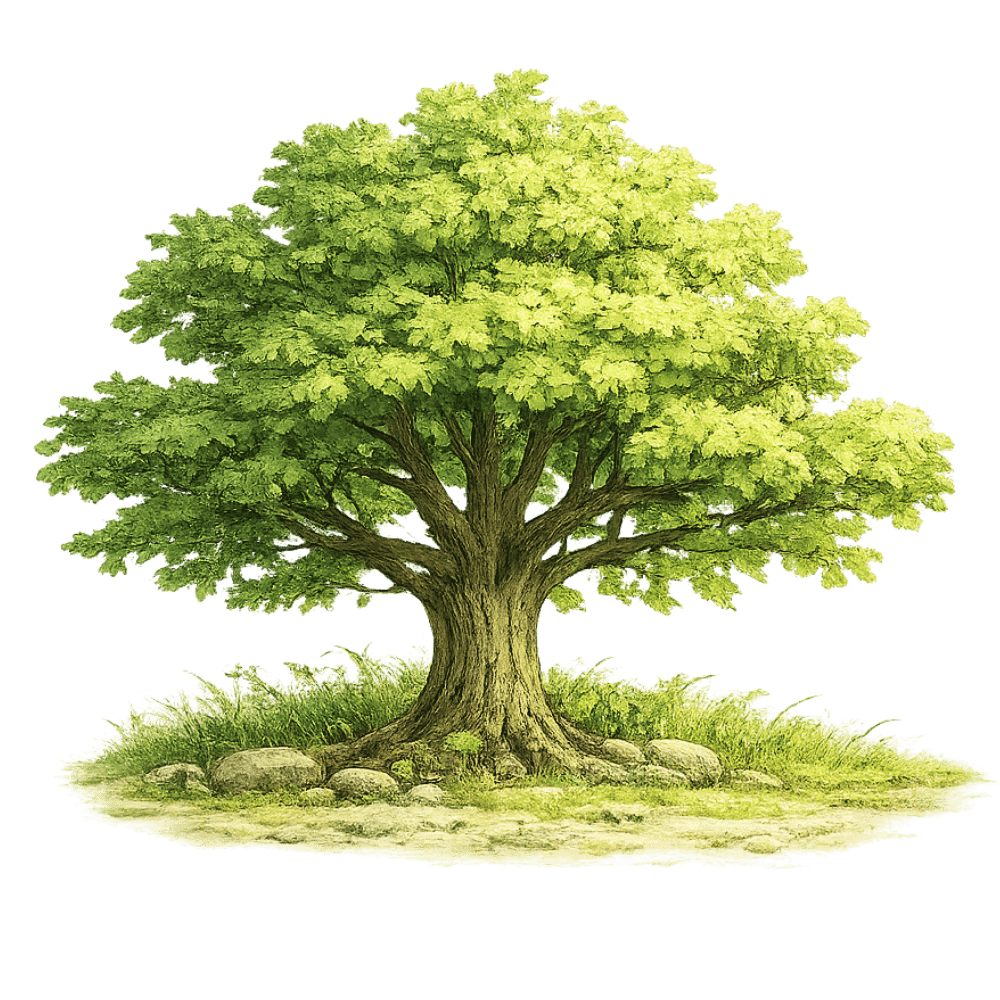
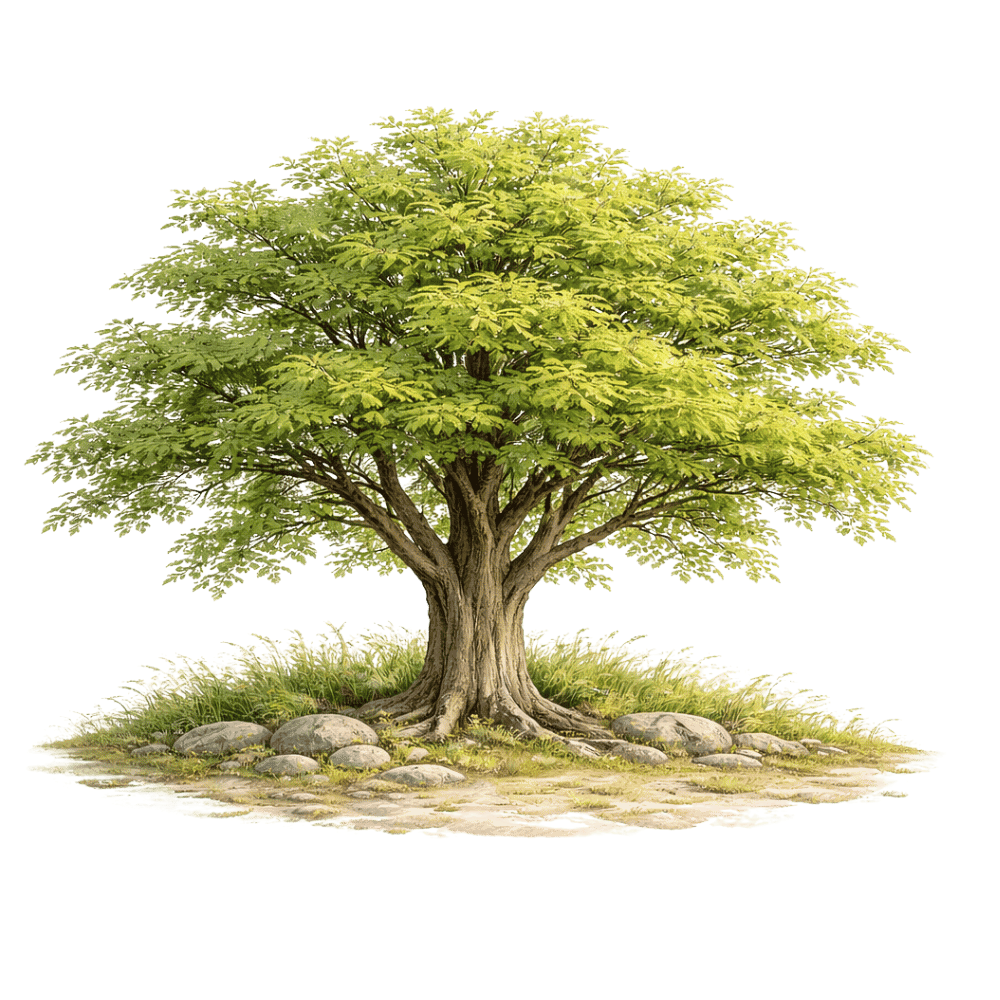
Oak is one of the more durable woods. It withstands everyday use well: scratches and dents form less easily. It tolerates moisture better than many other hardwoods, which makes it suitable even for places where the air isn’t always completely dry.
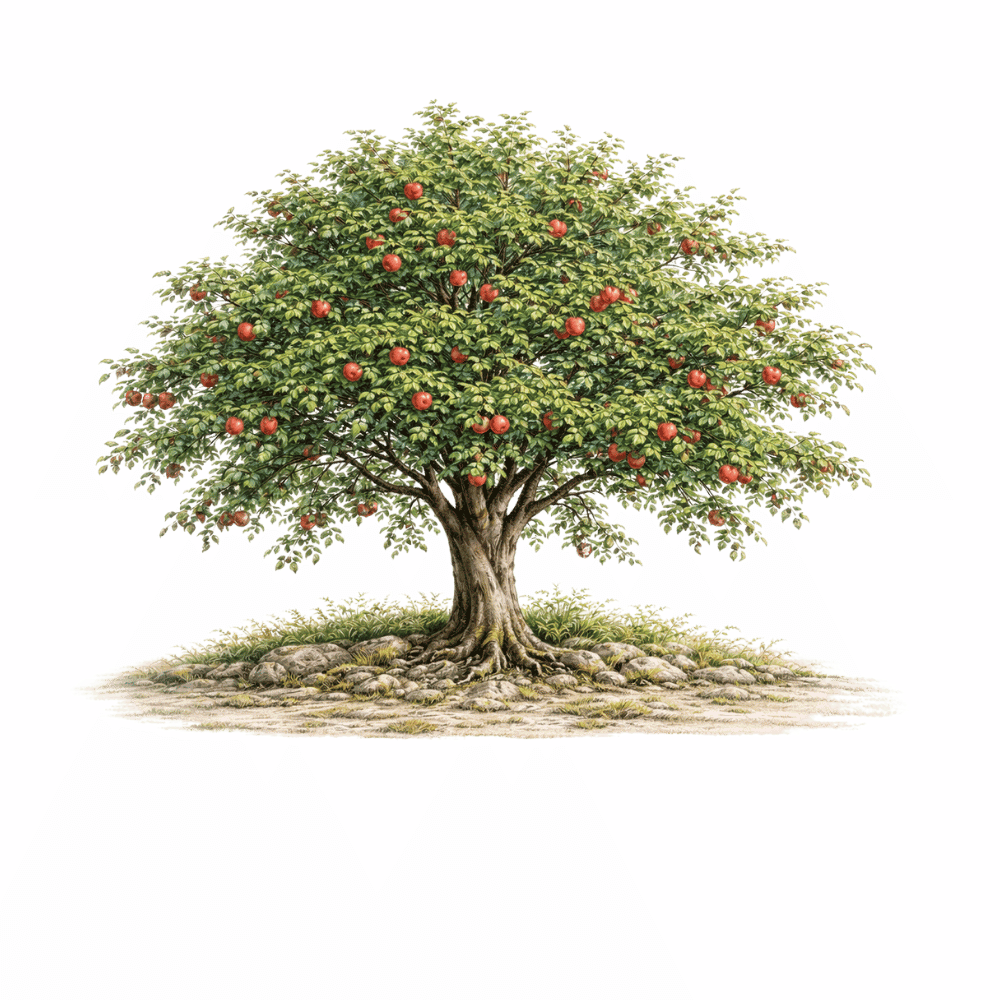
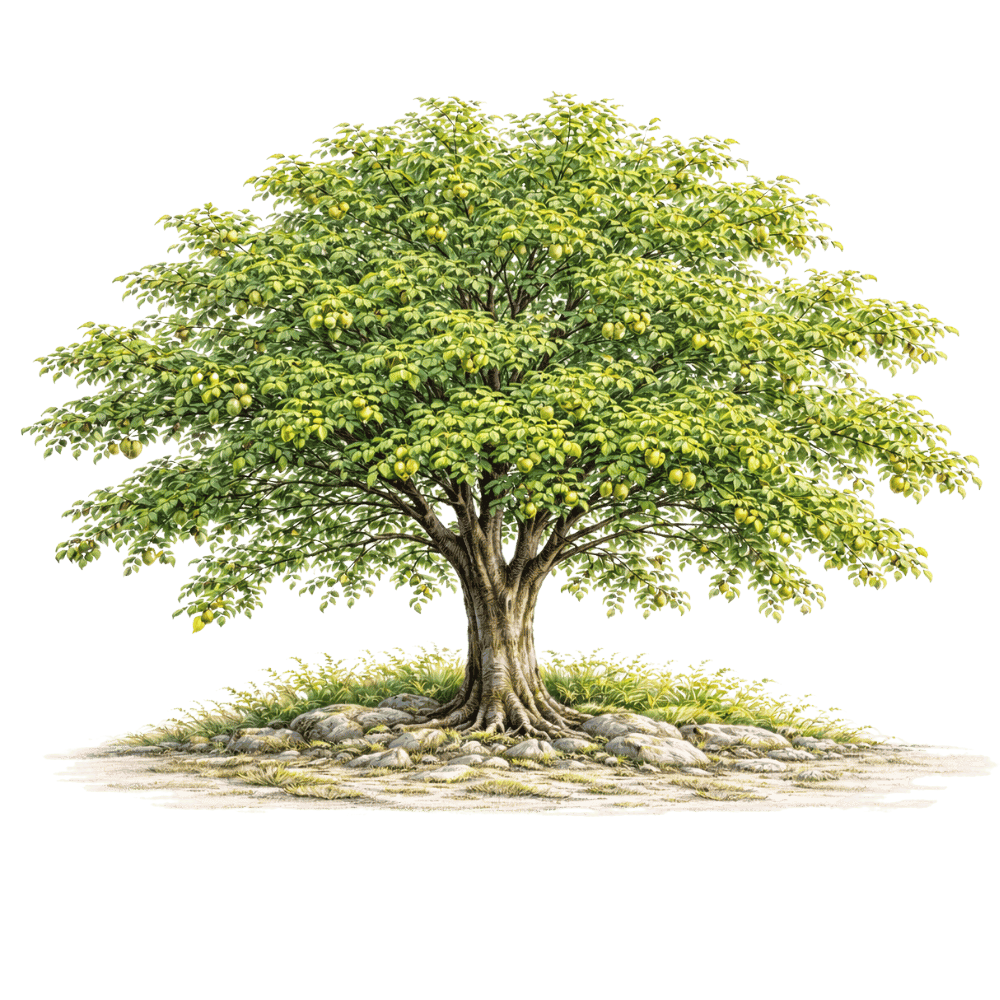
Apple wood a very dense and tough hardwood. Durable against wear as well as minor impacts and scratches. Apple wood has an even, fine grain structure, which makes the surface especially smooth and pleasant to use.
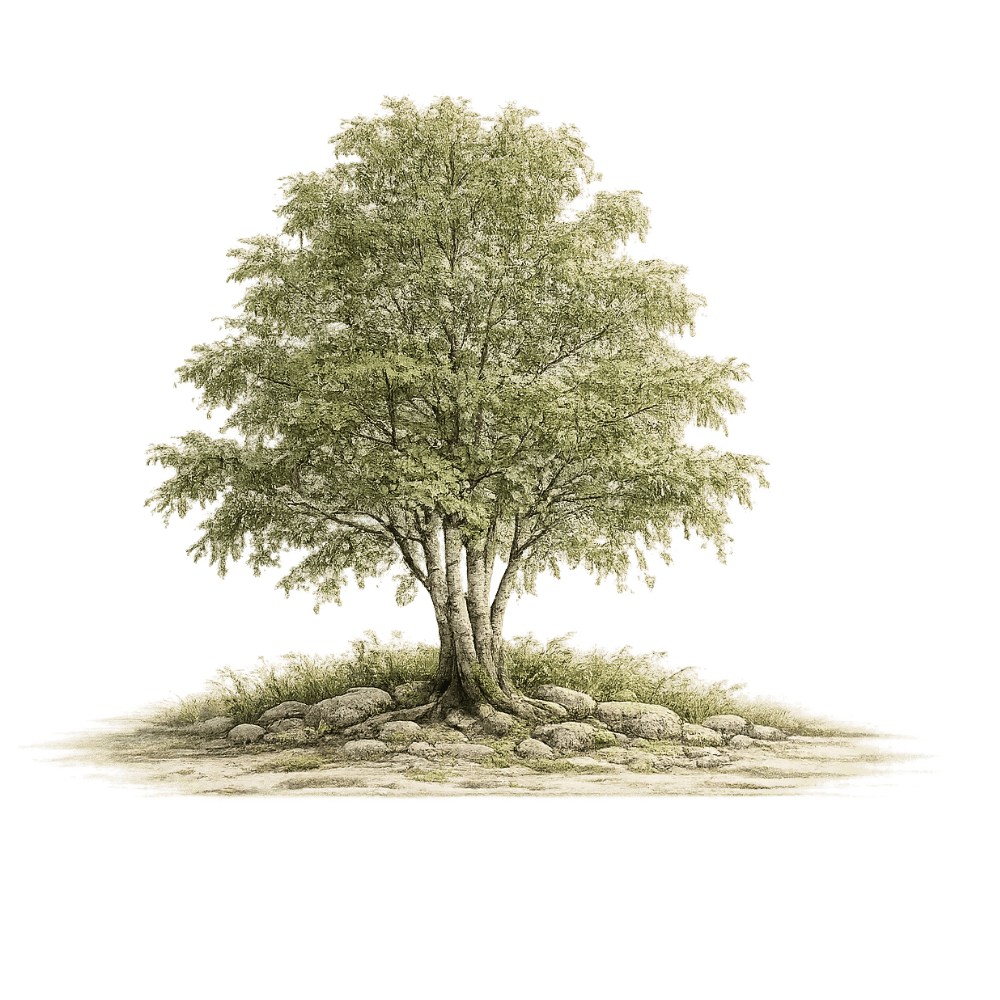
Beech is a very strong and dense hardwood. It resists wear, impacts, and scratches well, and it retains its shape and strength even with long-term use.
Birch is a strong and dense hardwood. Its wood has an even texture, which makes birch reliable to work with and durable in everyday use.
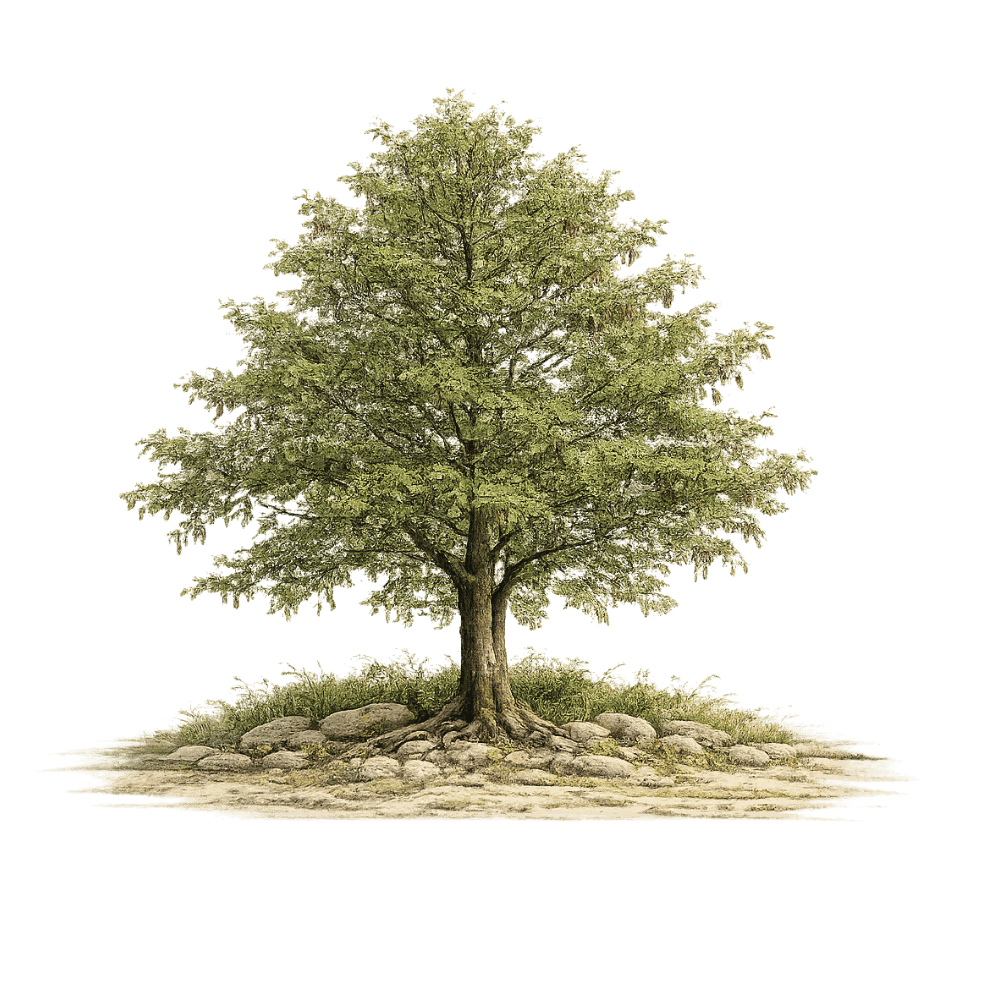
Alder is lighter than many other hardwoods and holds its shape well. Keep in mind that alder is softer than, for example, oak or beech, so it may be more sensitive to heavier impacts and scratches.
Cherry wood naturally darkens slightly over time, giving the product a more even and mature look. With very heavy use, dents and scratches may appear more easily than on especially hard hardwoods.
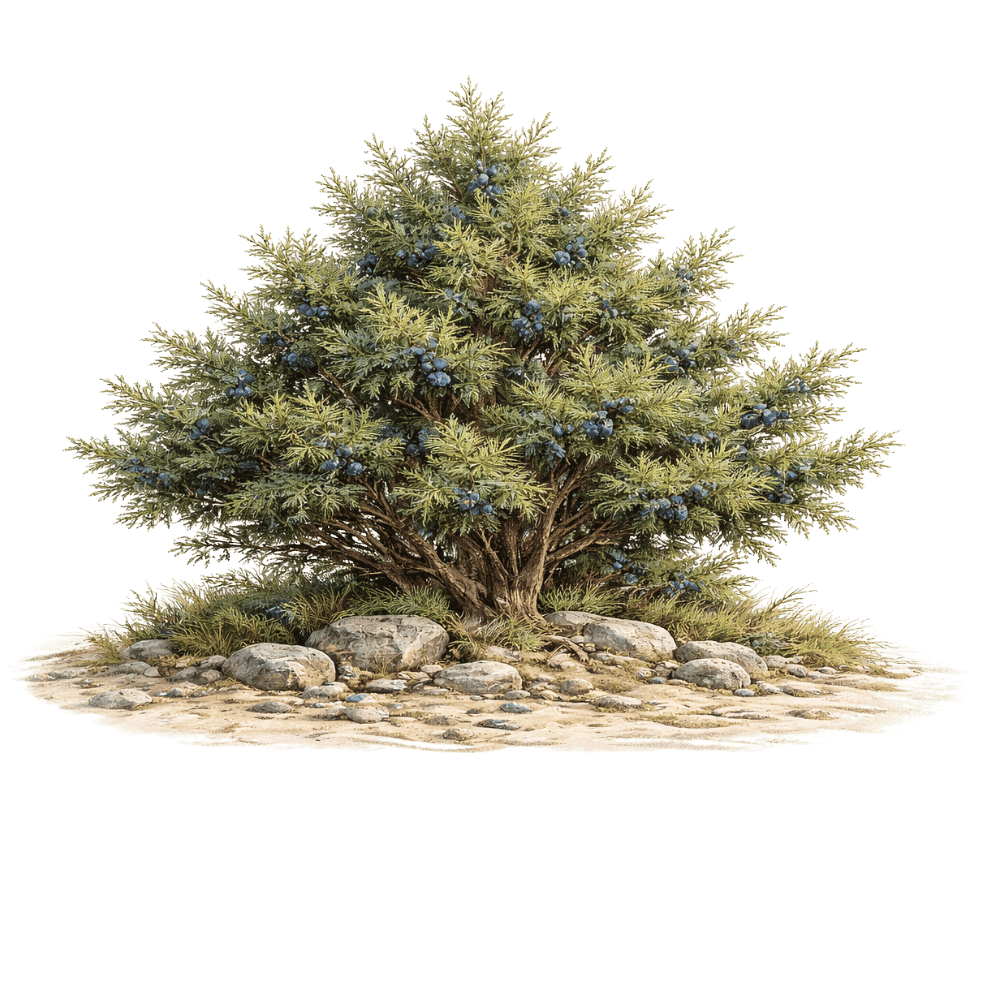
Juniper is known for its naturally strong scent, which lingers in the wood for a long time. Juniper wood is also dense and tough, making it well suited for products that need to last through long-term use.
Ash is a strong, tough wood that handles load and impacts well. It’s well suited for products that are used often, because it resists wear and scratches. It also doesn’t tend to warp over time.
Red oak is strong and wear-resistant. It has an open-pore structure, which makes the grain clearly visible and gives it a “classic oak” look. It’s best to avoid places where the wood would be exposed to a lot of water.
Walnut is a strong and durable hardwood. Walnut wood withstands wear and impacts well in everyday use and isn’t a “soft wood” that gets dented easily. It has a naturally dark, even tone.
Care instructions
• Products should be washed by hand with soap and dishwashers should be avoided — heat and steam can damage the wood
• Avoid soaking in water as well — prolonged moisture can cause warping and cracking.
• When cleaning, avoid harsh brushes and chemicals — they can damage the wood’s surface.
• After washing, dry the product and let it air-dry completely in a dry place.
• To remove an unpleasant odor, you can rub it with salt and half a lemon, then rinse with water
• To maintain the wood’s quality, it’s recommended to oil it from time to time — suitable options include cutting board oil, cooking oil, and food-safe mineral oil.